USTR Announces Section 301 Investigation into Nicaragua’s Acts, Policies, and Practices Related to Labor Rights, Human Rights, and the Rule of Law
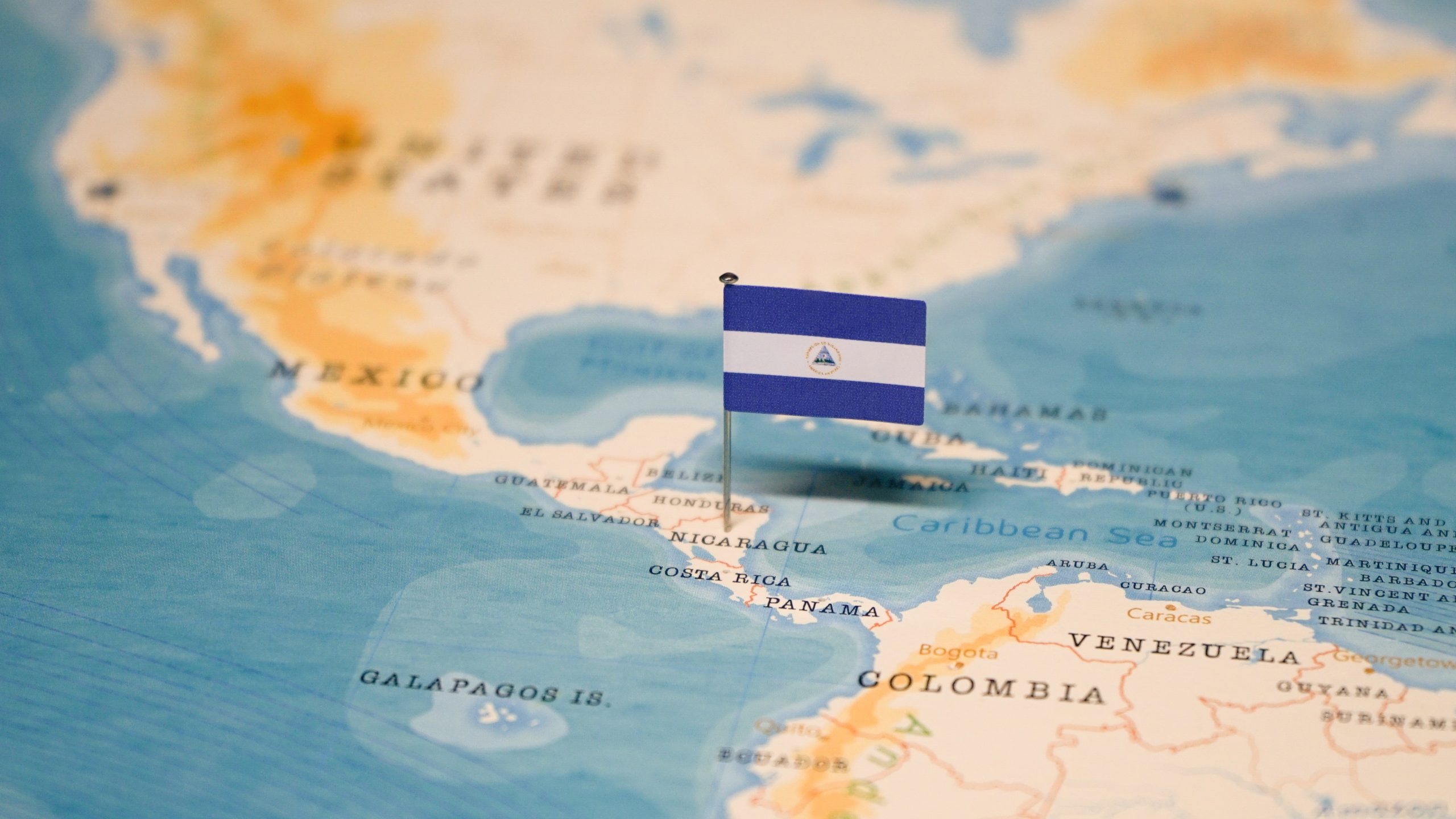
The United States Trade Representative (USTR) announced the investigation regarding Nicaragua’s acts, policies, and practices related to labor rights, human rights, and the rule of law under Section 301 of the Trade Act of 1974. This is the first 301 investigation involving policies and practices that may violate labor rights and human rights.
301 Background
Section 301 of the Trade Act of 1974 is designed to address unfair foreign practices affecting U.S. commerce. It grants USTR a range of authorities to investigate unfair trade practices and to enforce U.S. rights under trade agreements.
Under 301, the U.S. government may impose trade sanctions on foreign countries that engage in acts that are burdensome to U.S. commerce or that violate trade agreements.
The law does not limit the scope of investigations, but it does mention several categories of activities that are subject to 301 action, including:
(1) a violation that denies U.S. rights under a trade agreement
(2) an “unjustifiable” action that “burdens or restricts” U.S. commerce
(3) an “unreasonable” or “discriminatory” action that “burdens or restricts” U.S. commerce.
“Commerce” is defined to include goods, services, and investment.
Previous examples of 301 investigations include investigations into China’s technology transfer practices, Vietnam’s currency manipulation, and Digital Services Taxes in various countries.
Nicaragua Investigation
The investigation into Nicaragua’s acts follows numerous credible reports that the Ortega-Murillo regime engages in human rights and labor rights violations and dismantling the rule of law. Activities cited by USTR include:
- Politically-motivated arrests and imprisonments
- Repression of members of religious groups and non-governmental organizations
[…]