
FDA Finalizes New National Drug Code Format

On March 5, 2026, the Food and Drug Administration (FDA) published a Final Rule adopting a new format for the National Drug Code (NDC). The rule takes effect on March 7, 2033. On the effective date, the FDA will assign new 12-digit NDCs and convert all previously assigned 10-digit NDCs to the uniform 12-digit NDC format.

What is the NDC?

The NDC is an FDA standard for uniquely identifying drugs marketed in the U.S. Currently, the NDC assigned by the FDA for each listed drug marketed in the U.S. is a unique 10-digit number and can be in several different formats.

Current formats:

10-digit identifier

The FDA’s standard NDC is a 10-digit numerical identifier that includes a labeler code, product code, and package code.
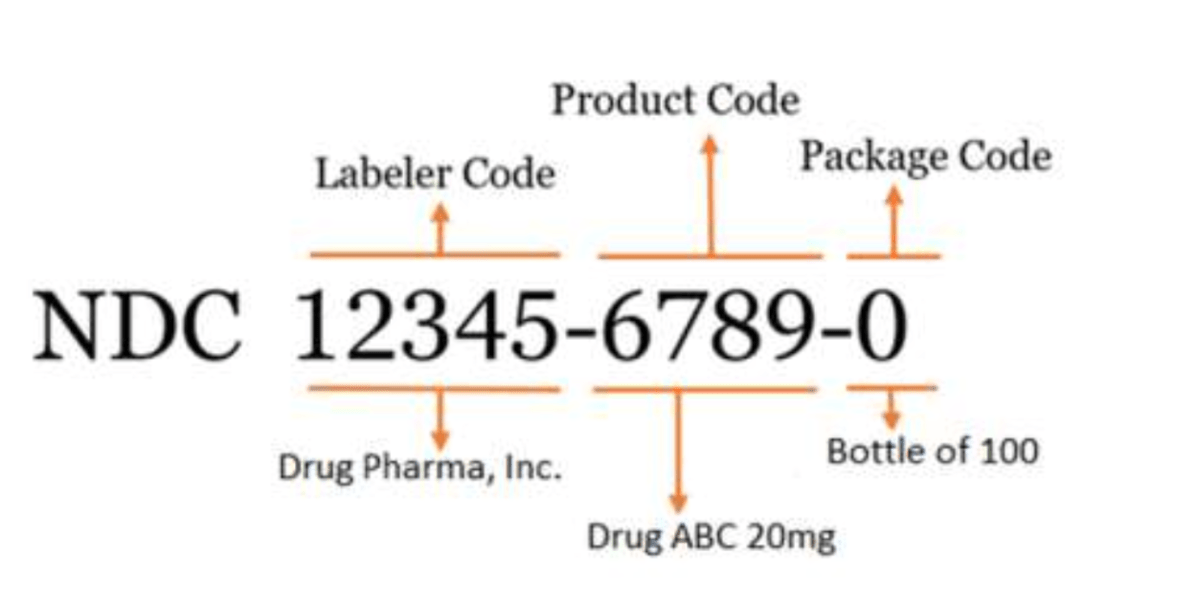
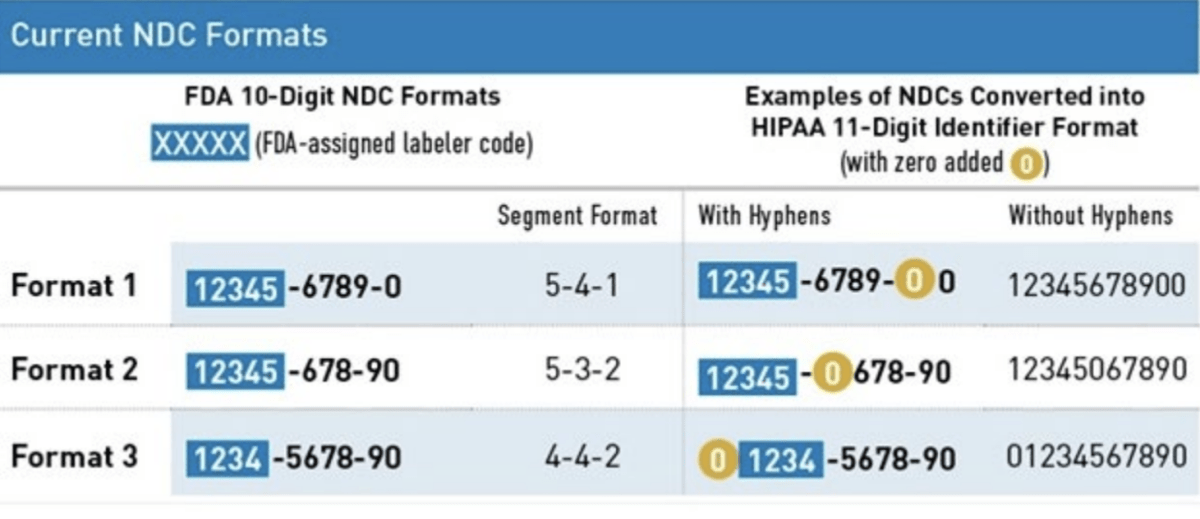
There are 3 FDA-assigned formats for the standard NDC:

  • 4-4-2
  • 5-3-2
  • 5-4-1

HIPAA Format

The Health Insurance Portability and Accountability Act (HIPAA) adopted a uniform 11-digit NDC format that must be used when a HIPAA-covered transaction includes an NDC. This 11-digit format is standardized into a 5-4-2 format and created by adding a leading zero to either the labeler, product, or package code.
Upcoming 6-Digit Format

The FDA will run out of 5-digit labeler codes in 10-15 years. Per FDA regulations (21 CFR 207.33), once the FDA runs out of 5-digit labeler codes, it will start assigning 6-digit labeler codes. Without this proposed change, there would be five NDC formats, 3 in 10- […]
FDA Takes Action to Improve Gluten Ingredient Disclosure in Foods

On January 22, 2026, the U.S. Food and Drug Administration (FDA) issued a Request for Information (RFI) regarding labeling and preventing cross-contact of gluten in packaged food.

Background

The FDA received a citizen petition requesting that the FDA act to protect consumers with celiac disease by better enabling them to identify, through labeling, whether a food includes gluten-containing grains (GCGs), and to address cross-contact with GCGs. FDA subsequently reviewed available data and reports, which indicated that serious data gaps are limiting the agency’s ability to fully evaluate the public health importance of these ingredients, including data on adverse reactions.

Request for Information

The FDA is taking this action as a first step to improve transparency in disclosures of ingredients that impact certain health conditions, such as gluten for those with celiac disease, and other established food allergens.

The agency is inviting comments concerning adverse reactions due to “ingredients of interest” ( i.e., non-wheat GCGs and oats) in the United States. The RFI also aims to collect data on labeling issues or concerns with identifying ingredients of interest on packaged food products in the United States.

The FDA is particularly interested in:

  • Data and information on IgE-mediated and non-IgE-mediated food allergies and adverse reactions to non-wheat GCGs (including prevalence, severity, and potency).
  • Data and information on gluten in oats (including frequency and amounts of gluten in oats), and the prevalence, severity, and potency of IgE-mediated and non-IgE-mediated allergy and adverse reactions to oats.
  • Data and information on undisclosed ingredients of interest (including their prevalence and usage amounts […]

ICYMI: FDA Launches Nationalized Entry Review Program (NER)

FDA recently implemented the Nationalized Entry Review Program (NER), which centralizes how the agency reviews imports nationwide. The program is effective as of August 4, 2025. Key changes include: 

  • Coordinated National Response: Rather than each port conducting manual reviews of certain entries on its own, specialized teams now coordinate their efforts across the country to more quickly identify and stop dangerous products.

  • Harmonized Real-Time Alert System: If the FDA detects a high-risk product at one port, such as contaminated infant formula or counterfeit drugs, alerts are immediately shared across all ports so they can watch for the same threats.

  • Improved Efficiency: Built on a successful 2022 pilot, the NER program has sped up processing by 70% and increased detection of high-risk products by 36%.

  • Expanded Reviewer Capacity: The program allows for more FDA reviewer availability and collaboration across the national network. 

The FDA’s current evaluative standards, regulatory requirements, and admissibility thresholds remain the same. 

The FDA has also published a communications guide that includes general contact protocols, hot shipments handling, email formatting requirements, and FAQs.

Diaz Trade Law provides assistance with FDA pre-compliance as well as assistance in successfully navigating FDA enforcement actions. For assistance with NER requirements or other FDA matters, contact us […]

ICYMI: USDA Plan Calls for Stronger Enforcement of Agricultural Imports

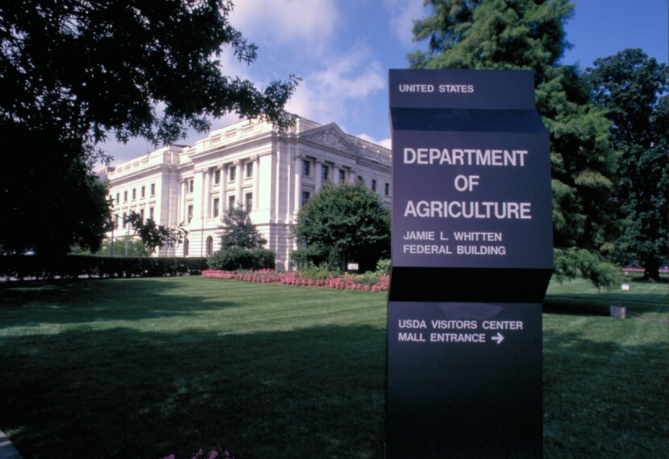
On July 8, 2025, the U.S. Department of Agriculture (USDA), along with the Department of Homeland Security (DHS), the Department of Justice (DoJ), and the Department of Defense (DoD), released a National Farm Security Action Plan to elevate American agriculture as a key element of the country’s national security. 

Plan Details

The action plan will enable USDA to work closely with governors, state legislators, and federal partners to further integrate agriculture into the broader national security efforts over the coming months and years.

The USDA and its government partners will take “aggressive action” across seven critical areas:

  1. Secure and Protect American Farmland – Address U.S. foreign farmland ownership from adversaries head-on. Total transparency. Tougher penalties.
  2. Enhance Agricultural Supply Chain Resilience – Refocus domestic investment into key manufacturing sectors and identify non-adversarial partners to work with when domestic production is not available. Plan for contingencies.
  3. Protect U.S. Nutrition Safety Net from Fraud and Foreign Exploitation – Billions have been stolen by foreign crime rings. That ends now.
  4. Defend Agricultural Research and Innovation – No more sweetheart deals or secret pacts with hostile nations. American ideas stay in America.
  5. Put America First in Every USDA Program – From farm loans to food safety, every program will reflect the America […]

FDA Issues Proposed Rule on Front-of-Package Nutrition Labeling

The U.S. Food and Drug Administration (FDA) issued a proposed rule that would require a front-of-package (FOP) nutrition label on most packaged foods.

Rule Details

The label, referred to as the “Nutrition Info Box,” must contain the amounts (per serving) of three nutrients:

  • Saturated fat
  • Sodium
  • Added sugar

The label must also list whether the amount of these ingredients per serving is “Low,” “Med,” or “High.”

The FDA is proposing a compliance date of three years after the final rule’s effective date for businesses with $10 million or more in annual food sales. Businesses with less than $10 million in annual food sales would have four years to comply.

FDA Intent

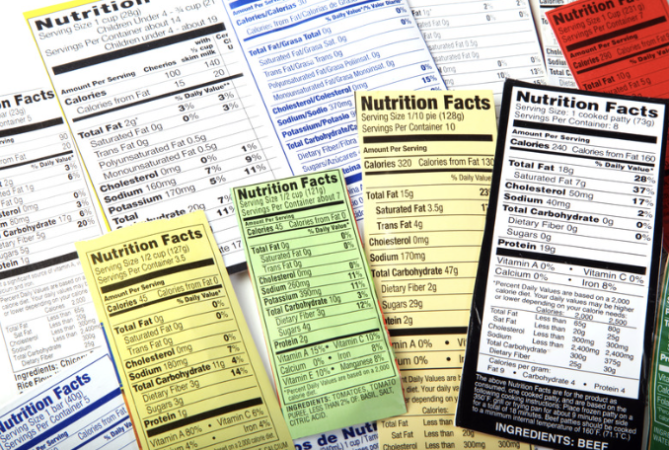
The FDA stated that the Nutrition Info Box would complement the Nutrition Facts label that is already required on most packaged food. While the Nutrition Facts label is helpful to many consumers, the FDA found that some segments of the population do not regularly read the label.

Therefore, this rule is intended to provide accessible, at-a-glance information to help consumers quickly and easily identify how foods can be part of a healthy diet.

The agency conducted a literature review that included focus group testing and a peer-reviewed experimental study to explore consumer reactions and responses to various FOP nutrition labels.

The results indicated that interpretive FOP nutrition information is helpful for consumers and easy to understand.

Input on the Rule

The FDA is currently seeking public input on the proposed rule. The deadline to submit comments is May 16, 2025. If you will be impacted by the new requirements, […]

Go to Top