
FDA Finalizes New National Drug Code Format

On March 5, 2026, the Food and Drug Administration (FDA) published a Final Rule adopting a new format for the National Drug Code (NDC). The rule takes effect on March 7, 2033. On the effective date, the FDA will assign new 12-digit NDCs and convert all previously assigned 10-digit NDCs to the uniform 12-digit NDC format.

What is the NDC?

The NDC is an FDA standard for uniquely identifying drugs marketed in the U.S. Currently, the NDC assigned by the FDA for each listed drug marketed in the U.S. is a unique 10-digit number and can be in several different formats.

Current formats:

10-digit identifier

The FDA’s standard NDC is a 10-digit numerical identifier that includes a labeler code, product code, and package code.
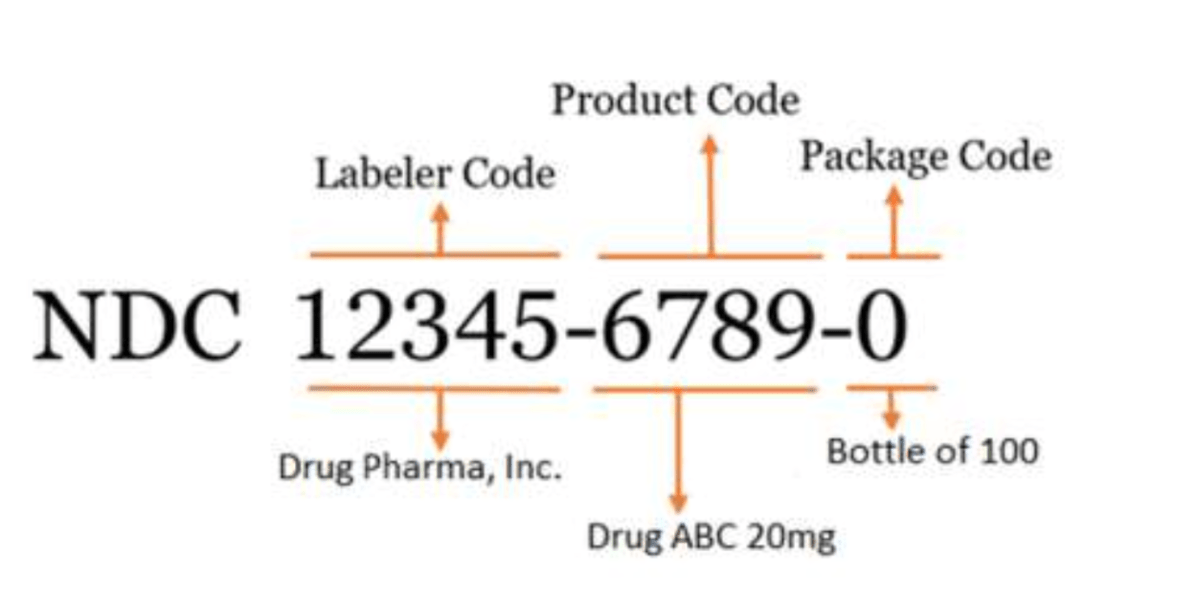
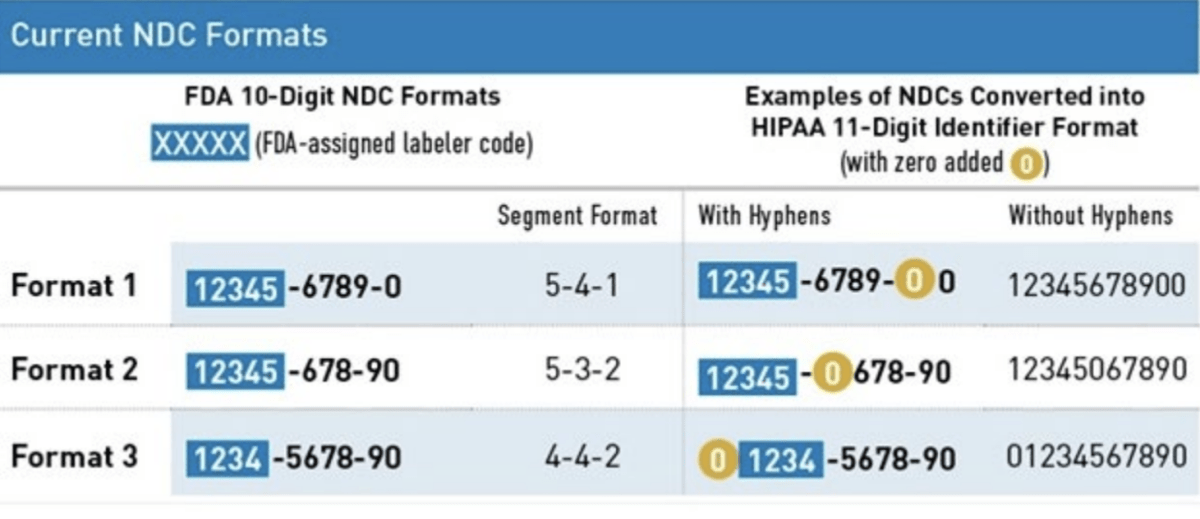
There are 3 FDA-assigned formats for the standard NDC:

  • 4-4-2
  • 5-3-2
  • 5-4-1

HIPAA Format

The Health Insurance Portability and Accountability Act (HIPAA) adopted a uniform 11-digit NDC format that must be used when a HIPAA-covered transaction includes an NDC. This 11-digit format is standardized into a 5-4-2 format and created by adding a leading zero to either the labeler, product, or package code.
Upcoming 6-Digit Format

The FDA will run out of 5-digit labeler codes in 10-15 years. Per FDA regulations (21 CFR 207.33), once the FDA runs out of 5-digit labeler codes, it will start assigning 6-digit labeler codes. Without this proposed change, there would be five NDC formats, 3 in 10- […]

FDA Takes Action to Improve Gluten Ingredient Disclosure in Foods

On January 22, 2026, the U.S. Food and Drug Administration (FDA) issued a Request for Information (RFI) regarding labeling and preventing cross-contact of gluten in packaged food.

Background

The FDA received a citizen petition requesting that the FDA act to protect consumers with celiac disease by better enabling them to identify, through labeling, whether a food includes gluten-containing grains (GCGs), and to address cross-contact with GCGs. FDA subsequently reviewed available data and reports, which indicated that serious data gaps are limiting the agency’s ability to fully evaluate the public health importance of these ingredients, including data on adverse reactions.

Request for Information

The FDA is taking this action as a first step to improve transparency in disclosures of ingredients that impact certain health conditions, such as gluten for those with celiac disease, and other established food allergens.

The agency is inviting comments concerning adverse reactions due to “ingredients of interest” ( i.e., non-wheat GCGs and oats) in the United States. The RFI also aims to collect data on labeling issues or concerns with identifying ingredients of interest on packaged food products in the United States.

The FDA is particularly interested in:

  • Data and information on IgE-mediated and non-IgE-mediated food allergies and adverse reactions to non-wheat GCGs (including prevalence, severity, and potency).
  • Data and information on gluten in oats (including frequency and amounts of gluten in oats), and the prevalence, severity, and potency of IgE-mediated and non-IgE-mediated allergy and adverse reactions to oats.
  • Data and information on undisclosed ingredients of interest (including their prevalence and usage amounts […]

ICYMI: FDA Issues Final Guidance On Formal Dispute and Administrative Hearings of Final Orders for OTC Monograph Drugs

On December 23, 2025, the Food and Drug Administration (FDA) published a Federal Registerthe  notice announcing the availability of a final guidance for industry entitled “Formal Dispute Resolution and Administrative Hearings of Final Administrative Orders Under Section 505G of the Federal Food, Drug, and Cosmetic Act.” 

This guidance provides recommendations on the formal dispute resolution (FDR) and administrative hearings procedures for resolving disputes between the Center for Drug Evaluation and Research (CDER) and requestors and sponsors of drugs that will be subject to a final administrative order under section 505G of the Federal Food, Drug, and Cosmetic Act (FD&C Act). 

Background 

Section 505G of the FD&C Act was added by the Coronavirus Aid, Relief, and Economic Security Act (CARES Act) in March 2020. After the FDA issues a Final Order in accordance with section 505G(b)(2) of the FD&C Act, the FDA must afford eligible requestors or sponsors the opportunity for FDR and hearings on disputes over the Final Order. 

The FDA previously agreed to specific performance goals and procedures described in a commitment letter (read here). The commitment letter specified that the agency would revise previous guidance for industry to include circumstances and procedures under which FDR may be used with respect to Final Orders under section 505G of the FD&C Act. The letter also stated that the agency would issue guidance on its views regarding […]

FDA Launches Real-Time Adverse Event Reporting Dashboard for Cosmetic Products

On September 12, 2025, the U.S. Food and Drug Administration (FDA) announced the launch of the FDA Adverse Event Reporting System (FAERS) Public Dashboard for Cosmetic Products. The system is an interactive tool designed to facilitate the public’s ability to search and find real-time adverse event data on cosmetic products. Through the tool, users can search and view reports using search terms, including the product name. Users can also download data sets and report listings. The FDA will update the tool daily to ensure it includes the most recent submissions.

The dashboard includes serious adverse event reports submitted by responsible persons for cosmetic products under requirements established by the Modernization of Cosmetics Regulation Act of 2022 (MoCRA), as well as voluntary adverse event reports submitted to the FDA by healthcare professionals, consumers, salon professionals, cosmetologists, and others. 

This announcement follows a recent launch of real-time reporting of adverse event and medication errors data for drugs and therapeutic biologics. 

In the announcement, the FDA stated these real-time reporting tools are part of the agency’s commitment to transparency and providing greater insight into the safety and regulation of the products consumers use every day.

Note: Reports in this dashboard have not been verified by the FDA, and their publication does not indicate that the FDA has concluded the product caused the adverse event. 

ICYMI: FDA Launches Nationalized Entry Review Program (NER)

FDA recently implemented the Nationalized Entry Review Program (NER), which centralizes how the agency reviews imports nationwide. The program is effective as of August 4, 2025. Key changes include: 

  • Coordinated National Response: Rather than each port conducting manual reviews of certain entries on its own, specialized teams now coordinate their efforts across the country to more quickly identify and stop dangerous products.

  • Harmonized Real-Time Alert System: If the FDA detects a high-risk product at one port, such as contaminated infant formula or counterfeit drugs, alerts are immediately shared across all ports so they can watch for the same threats.

  • Improved Efficiency: Built on a successful 2022 pilot, the NER program has sped up processing by 70% and increased detection of high-risk products by 36%.

  • Expanded Reviewer Capacity: The program allows for more FDA reviewer availability and collaboration across the national network. 

The FDA’s current evaluative standards, regulatory requirements, and admissibility thresholds remain the same. 

The FDA has also published a communications guide that includes general contact protocols, hot shipments handling, email formatting requirements, and FAQs.

Diaz Trade Law provides assistance with FDA pre-compliance as well as assistance in successfully navigating FDA enforcement actions. For assistance with NER requirements or other FDA matters, contact us […]

Go to Top