Breaking the Chains: Forced Labor in Mexico’s Supply Chains

Forced labor is a severe violation of human rights and a persistent global issue affecting millions of individuals. According to the ILO, 27.6 million men, women, and children are in forced labor globally.[1] Over $236 billion USD is generated in illegal profits using forced labor every year.[2]

Both Mexico and the United States have robust legal frameworks to eradicate the use of forced labor and have made great strides in detection and enforcement. However, the secretive nature of the forced labor industry, changing bad actor tactics, and the intensive resourcing required presents challenges to both countries.

Forced Labor in Mexico

While Mexico has made great strides in identifying and preventing forced labor, it is still a problem that impacts hundreds of thousands of citizens. Certain risk factors[3] may make certain individuals more vulnerable to forced labor than others, including:

  • Poverty
  • Unstable immigration status
  • Language barriers
  • Lack of social support systems
  • Physical or developmental disabilities

An estimated 850,000 people are still living in modern slavery today in Mexico.[4] The Department of Labor has identified a list of goods it has reason to believe are produced using child labor and forced labor in Mexico including[5]:

  • Beans
  • Cattle
  • Chile peppers
  • Coffee
  • Cucumbers
  • Eggplants
  • Garments
  • Leather goods/accessories
  • Melons
  • Onions
  • Poppies
  • Pornography
  • Sugarcane
  • Tobacco
  • Tomatoes

Investigations have also uncovered severe forms of child labor including using children in the production and trafficking of drugs and in dangerous agricultural work.[6]

Mexico Efforts to Eliminate Forced Labor in Mexico

Over the […]
By |2025-06-25T16:24:22-04:00June 25, 2025|Countries, Forced Labor, Mexico|0 Comments

The Latest on Tariffs: Key Information for Importers 

In the last several weeks, the Trump Administration has issued dozens of executive orders impacting the trade community. The Orders impact tariffs, de minimis shipments, steel and aluminum imports, and potentially trade agreements with other countries.

New Tariffs on Mexico, Canada, and China

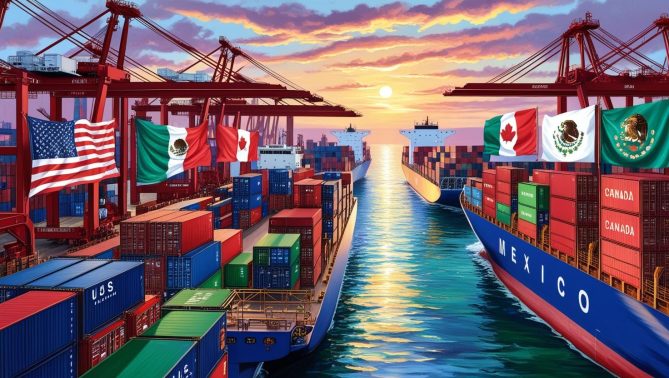
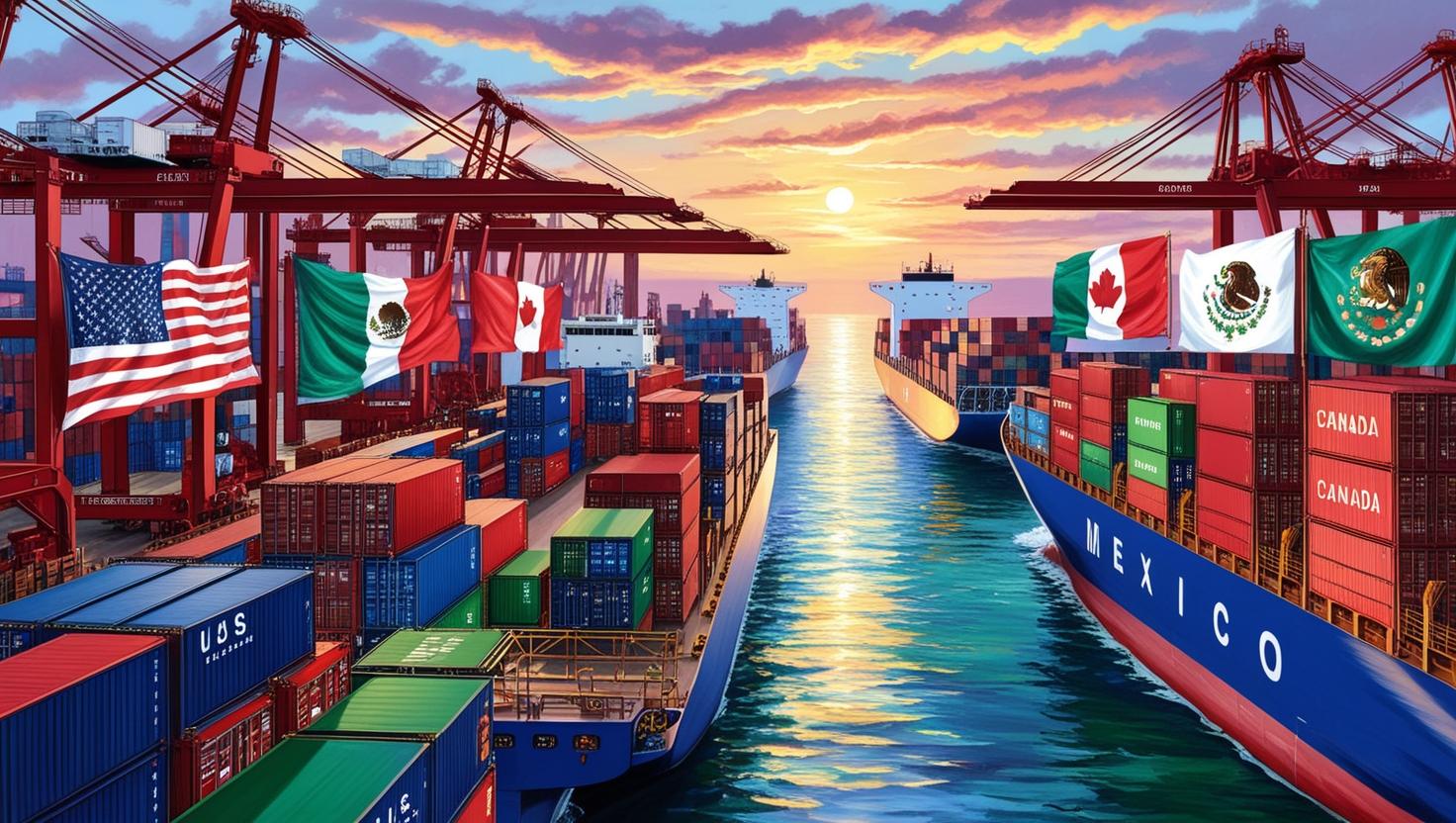
On February 1, 2025, President Trump first issued a fact sheet and thereafter signed three executive orders imposing new tariffs on imports from CanadaMexico, and China:

  • 25% tariff on imports from Canada
  • 25% tariff on imports from Mexico
  • 10% tariff on imports from China

The tariffs on imports from China went into effect February 4, 2025. The tariffs on imports from Canada and Mexico were initially set to take effect February 4, 2025, but were delayed by one month following commitments made by both countries to secure the border and stop the flow of drugs into the United States.

In a Truth Social post on February 27, President Trump confirmed that the tariffs on Canadian and Mexican goods will go into effect on March 4. He also announced that China will face an additional 10% tariff starting March 4.

On March 3, 2025, President Trump issued an Executive Order increasing tariffs on imports from China from 10% to 20%. The Federal Register Notice for China can be found here.

On March 5, 2025, the Administration announced a temporary one-month pause on automobile tariffs for Mexico and Canada. Subsequently, on March 6, 2025, President Trump temporarily suspended tariffs on certain goods from Canada and Mexico that meet the United States-Mexico-Canada Agreement (USMCA) requirements, effective March 7, […]

By |2025-03-21T17:00:42-04:00March 4, 2025|Canada, China, Countries, Import, Mexico, tariffs|0 Comments

ICYMI: Trump Administration Imposes 25% Steel and Aluminum Tariff

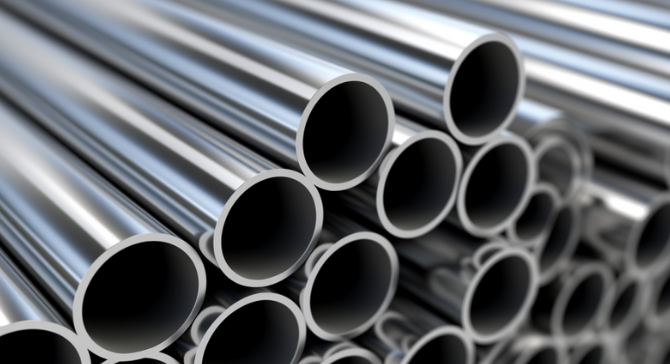
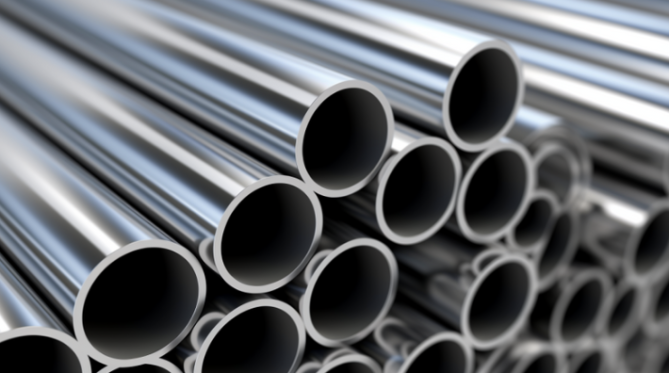
On February 11, 2025, President Trump issued two Proclamations imposing enhanced import duties on steel and aluminum products under Section 232 of the Trade Expansion Act of 1962. The orders eliminate certain exemptions from the duties, expand their scope to cover additional products, and raise the duties on covered aluminum goods from 10% to 25%.

On February 18, 2025, two Federal Register Notices were published that included lists of “derivative” products subject to the 25% tariffs on steel and aluminum under Section 232. The Federal Register Notices, which include the specific HTS subheadings for the derivative products in Annex 1 are available here (steel) and here (aluminum).

As of March 12, 2025, additional Section 232 tariffs of 25% will apply to covered aluminum and steel products from all countries. This means that countries that previously had certain exemptions from the 232 tariffs such as Argentina, Australia, Brazil, Canada, the EU, Japan, Mexico, South Korea, and the United Kingdom will also be subject to the 25% tariffs. Imports of derivative aluminum articles that contain “any amount of primary aluminum used in the manufacture of the derivative aluminum articles is smelted in Russia, or the derivative aluminum articles are cast in Russia,” are subject to a duty of 200%.

In addition, the additional 25% tariffs will apply to the lists of aluminum and steel derivatives identified in the annexes to the Federal Register Notices once the U.S. Department of Commerce certifies that “adequate systems are in place to fully, efficiently, and expediently process and collect tariff […]

By |2025-02-19T16:46:05-05:00February 12, 2025|Canada, China, Countries, Import, Mexico, tariffs|0 Comments

New Tariffs on Mexico, Canada, and China: Key Updates for Importers 

President Trump first issued a fact sheet and thereafter signed three executive orders imposing new tariffs on imports from Canada, Mexico, and China: 

  • 25% tariff on imports from Canada will take effect at least 30 days from Feb. 4, 2025.
  • 25% tariff on imports from Mexico are now scheduled to take effect on March 4, 2025. 
  • 10% tariff on imports from China will take effect on February 4, 2025. 

In a Truth Social post on February 27, President Trump confirmed that the tariffs on Canadian and Mexican goods will go into effect on March 4. He also announced that China will face an additional 10% tariff starting March 4.

Energy resources from Canada will have a lower 10% tariff. The orders ended duty-free de minimis treatment under 19 U.S.C. 1321 for products from China subject to these additional tariffs. However, President Trump signed a subsequent executive order pausing the suspension of de minimis treatment.

Tariffs will be on top of any other in place (301, 232, ADD, etc.) The Federal Register Notice for Canada can be found here and the Federal Register Notice for China can be found here. Customs […]

By |2025-02-28T08:29:43-05:00February 3, 2025|Canada, China, Countries, Mexico, news, tariffs|0 Comments

CBP Issues Guidance on Melt and Pour Requirements for Steel Articles

CBP recently issued guidance on melt and pour requirements for certain imported steel articles, implementing President Biden’s July proclamation adjusting imports of steel and aluminum into the United States.

Steel and Aluminum Proclamation Background

On July 10, 2024, President Biden issued two proclamations on adjusting imports of steel and aluminum into the United States. The proclamations increased the section 232 duty rate for both products and adjusted the requirements for avoiding section 232 duties.

The steel proclamation implemented a melt and pour requirement for imports of steel articles that are products of Mexico. It also increases the section 232 duty rate for imports of steel articles and derivative steel articles that are products of Mexico that are melted and poured in a country other than Mexico, Canada, or the United States. If the country of melt and pour is any country other than the U.S., Mexico, or Canada, then the steel articles are subject to an additional 25%.

Effective November 21, 2024, importers are required to report to CBP the country of melt and pour for certain imported steel articles from all countries; and for imported derivative steel articles that are products of Mexico; regardless of whether Section 232 duty treatment, quota treatment, or an exception treatment applies.

CBP Guidance on Steel

The new guidance provides information on codes for reporting the country of smelt, certificates to be submitted via the Automated Commercial Environment (ACE), and advises importers on changes that have been made in ACE.

Reporting Codes & Certificates

The guidance states […]

Go to Top