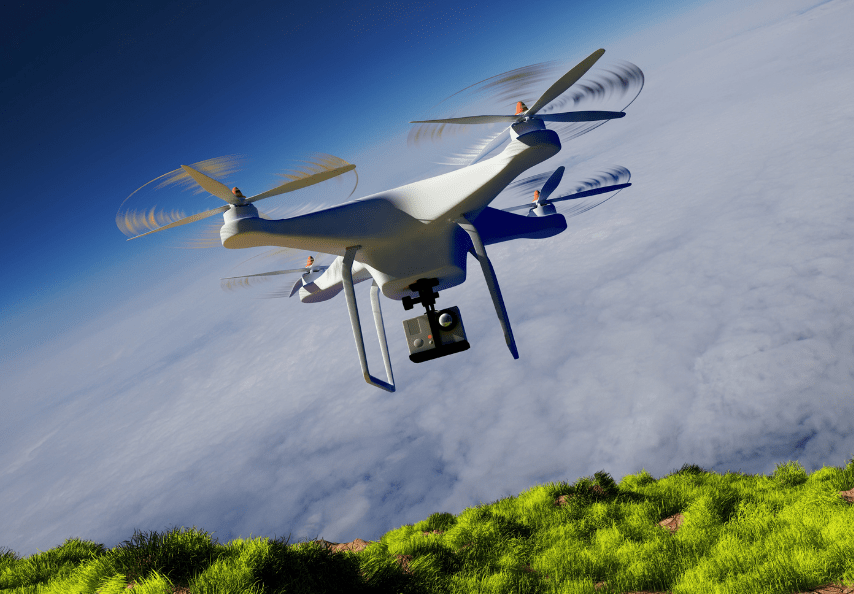
Importing Drones into the U.S.: Key CBP Requirements You Need to Know
Authors:
Jennifer Diaz, President, Diaz Trade Law
Jonathan Rupprecht, Aviation Attorney at Rupprecht Law
Importing goods into the U.S. requires navigating a web of regulations that spans 47 federal agencies. If you are the importer of record, it is your duty to exercise “reasonable care” in meeting these obligations. As part of this duty, importers must take adequate steps to properly classify and determine the value of imported goods, provide information to CBP in properly assessing duties, and determine whether other applicable legal standards and requirements have been met.
When importing drones into the U.S., importers need to be mindful of several requirements including classification, intellectual property, additional duties, and a changing U.S. trade policy.
Classification
When importing goods into the United States, importers must correctly classify their products. The Harmonized Tariff Schedule of the United States (HTSUS) is the primary resource for classifying goods and determining which tariffs apply.
The HTSUS is issued annually by the International Trade Commission (ITC). It is comprised of a 10-digit import classification system that is specific to the United States. This 10-digit code encompasses the World Customs Organization’s (WCO) six-digit uniform classification system shared among more than 200 countries.
An HTSUS is formatted to list the first 6-digits set forth by the WCO, also known as a heading and subheading and the last four digits assigned by the ITC that are specific to the U.S.
Prior to 2022, the HTSUS has lacked classifications specific to Unmanned Aircraft System (UAS). Importers had to classify under codes applicable to crewed aircraft […]